2 hours ago
Latest Updates
Featured Posts
Get in Touch
Location:
123 Innovation Street
Tech District, CA 94105
123 Innovation Street
Tech District, CA 94105
Email:
[email protected]
[email protected]
Phone:
+1 (234) 567-890
+1 (234) 567-890
Flavorful Kebabs, Fragrant Biryani and a World More: A Historic Indian City Secures a Place on Unesco Culinary List.
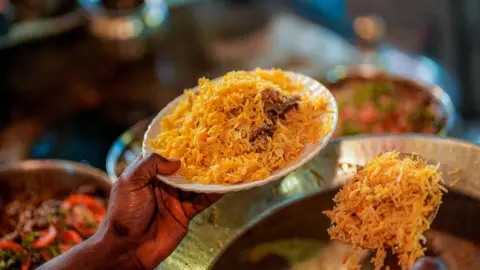
Mouth-watering kebabs, aromatic biryani, and whipped, ethereal desserts.
The historic city in northern India of Lucknow has forever been a dream destination for epicures, with residents and tourists equally praising its exquisite cuisine.
Worldwide Recognition
Recently, Unesco recognised it as a Creative City of Gastronomy – including it in a prestigious roster of global cities and sparking hopes that it will highlight Lucknow's sublime food. With this title, it enters a global network of more than four hundred urban centers across over 100 countries committed to promoting "creativity as a key factor of development that sustains urban life".
The accolade "is a testament to its centuries-old culinary traditions and vibrant gastronomic culture," as noted by a spokesperson from UNESCO's regional bureau for South Asia.
Lucknow is merely the second Indian city – after Hyderabad, which was selected in 2019 – to earn a spot in this coveted list of 70 cities internationally.
An Urban Center with a Culinary Soul
The accolade for this historic city comes as little surprise to its inhabitants or passionate food lovers. Many echo the opinion that it is "an honor long overdue".
With the UNESCO recognition, this beloved, lively, and diverse city – the administrative center of India's largest state – is now in the global gaze for what has always characterized its essence: an immense passion for food.
"'What will be cooked, how should it be prepared' is a continued discussion from morning until going to bed in most homes," notes a local cultural expert. "And you are actually evaluated by the standard of food that comes out of your kitchen."
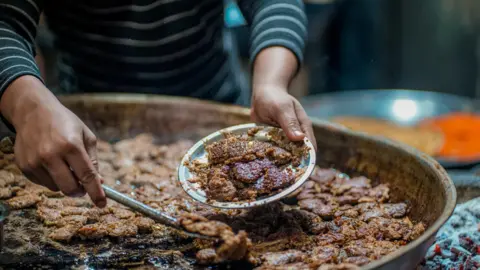
A Heritage of Nawabi Cuisine
The Nawabi City – as it's popularly called after its 18th and 19th Century affluent Muslim rulers – is renowned for its succulent kebabs and a unique take on biryani that were created, refined, and taken to exquisite levels in their royal kitchens.
These kitchens of the nobility were centers of food experimentation, fusing Persian and native Indian styles to create what became known as the food of Awadh.
It was in that period that Lucknow's iconic kebabs were developed. The story goes that the galouti kebab was created to feed an elderly nawab who had lost his teeth. His chefs processed the meat with raw papaya, kesar, and spices and made it so soft that it needed no chewing.
But perhaps the most significant contribution of the cooks of Awadh was the slow-cook Dum pukht technique, where food is cooked on a gentle, leisurely heat, with the container's cover securely closed with a flour paste.
Beyond Kebabs and Biryani
Besides the obvious kebabs and biryani, the culinary masters also created a repertoire of dishes that included kormas (rich curries), sheermal (saffron-infused flatbread), and shahi tukda (a sweet bread pudding).
However, Lucknow is far more than kebabs and biryani – the region is additionally a vegetarian's paradise.
The local Baniya community's cuisine doesn't just highlights seasonal produce but also offers the city its meticulously prepared Indian desserts, sweets, and unique street food, like chaat – spicy fried snacks.
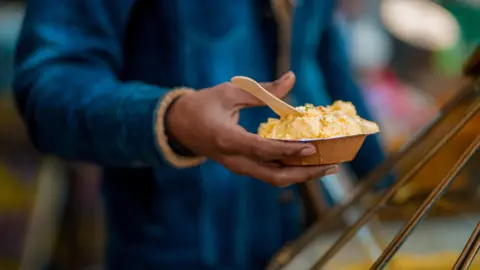
Iconic Stalls and Historic Shops
Nearly on many street corners, there are tiny kiosks and kiosks – lesser-known delights that are wildly popular with the locals.
In the heart of the city of Hazratganj, huge crowds start assembling from 5 am at a legendary tea stall to get a piping hot cup of milky masala chai, served in earthenware cups, along with incredibly soft buns covered in freshly churned white butter.
In the morning, one can visit a no-frills joint operating in the old city area of Aminabad. Almost 150 years after it was established, the place is still highly popular for its hot kachoris (fried bread stuffed with lentils) and jalebis (crispy, syrup-soaked sweets).
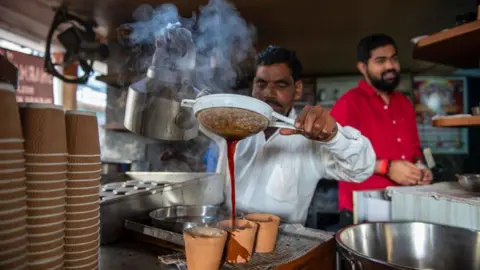
Ensuring Legacy Continues
The city also boasts special treats of the season, such as makkhan malai, a frothy dessert available in the winter. The process of making it is precise and involved. The artisan whisks the milk and then sets it out at night, allowing the nighttime moisture to give it its unique airy feel.
On crisp mornings, street vendors line up in old city areas like Aminabad and Chowk. Many though note that their children are reluctant to learn the craft.
A renowned chef from Lucknow has frequently stated that the city's rich food legacy positions it among the best of the Indian street food experience. The real value from the UNESCO recognition, however, will occur only if Lucknow can now generate interest about its under-the-radar eateries.
Every dish in Lucknow comes with a history – influenced by family-run food businesses, from modest street carts to busy restaurants, and closely held family recipes.
The worldwide honor, it is anticipated, will motivate more people worldwide to discover these narratives and travel to the city to savour the culinary delights of Lucknow.

Mario Zimmerman
Elara Vance is a seasoned gaming journalist and industry analyst with over a decade of experience covering esports and game development.
News
Sponsored News
News
Lackluster Buatsi Beats Parker in Manchester Bout
Mario Zimmerman
03 Oct 2026
News
'We are a family unit here': Habib Diarra celebrates positive vibes at the Black Cats.
Mario Zimmerman
03 Oct 2026
News
Fraudsters' Fake Goods 'May Lead to Real Harm'
Mario Zimmerman
02 Oct 2026
News
PSG Defeats Marseille via Spot-Kicks to Lift French Super Cup in Kuwait.
Mario Zimmerman
02 Oct 2026
News
Sam Fender gives twenty-five thousand pounds cash award to independent concert halls
Mario Zimmerman
02 Oct 2026
News
Why 'Showgirl Glamour' Became the Sparkling Aesthetic of This Year
Mario Zimmerman
02 Oct 2026